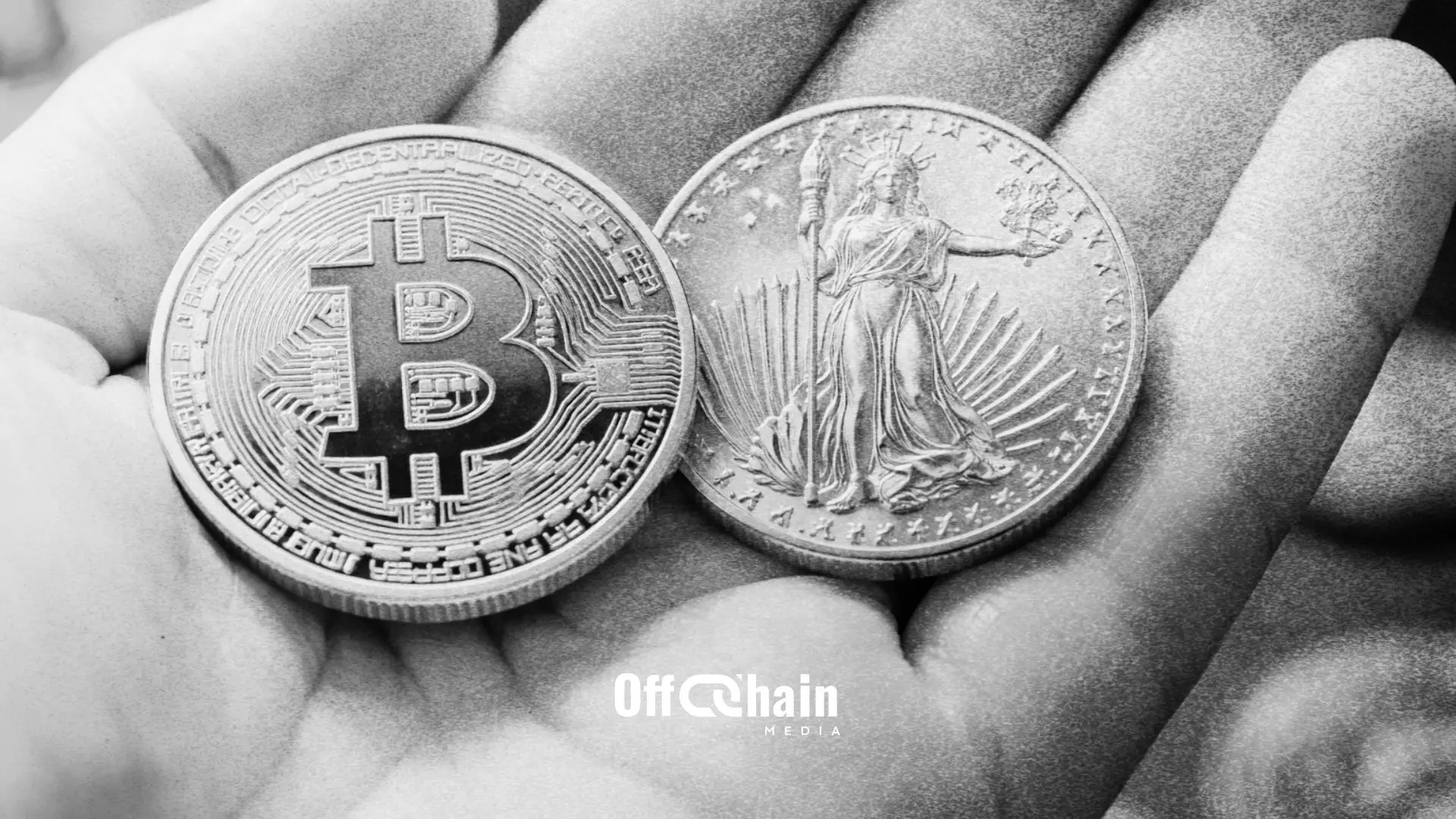
Often described as “digital gold” or merely a speculative asset, Bitcoin (BTC) is nonetheless used by its community as a tool for exchanging value, saving, and protecting against inflation. But does that make it a real currency?
Critics frequently cite Gresham’s Law or the slow speed of Bitcoin on-chain transactions, raising a persistent question: can Bitcoin actually fulfill the role of a currency? In this article, we will demonstrate that, far from being a limitation, Bitcoin’s specific features are actually what could make it a credible monetary standard and an effective alternative to fiat currencies.
What is a currency?
A currency is defined by three main functions:
1. Medium of exchange: It facilitates economic exchanges by eliminating barter;
2. Unit of account: It provides a common measurement to compare the value of goods and services;
3. Store of value: It allows wealth to be preserved over time.
A currency also needs to be divisible, portable, durable, fungible, and rare. On all these criteria, Bitcoin does not stand out as a deficient currency, but as an almost ideal currency, at least from a technical perspective, as all these properties can be met with the current technology stack: the Lightning Network, Liquid, Ark, or even the RGB protocol.
Gresham’s Law put to the test
The main argument against Bitcoin as a currency is Gresham’s Law, which states that “bad money drives out good.” In other words, if two currencies coexist, people tend to save the one perceived as more valuable (good money) and spend the one considered less valuable (bad money).
Applied to Bitcoin, this theory suggests that rational individuals would keep their BTC, anticipating its appreciation, while spending their euros or dollars. This dynamic would make Bitcoin unusable as a daily currency.
However, this argument omits a crucial economic reality: the degree of deflation that makes Bitcoin unspendable is only transitory. It is only relevant during the first phases of adoption, when BTC is still emerging as a new monetary standard.
Once Bitcoin reaches mass adoption and price stability, the incentive to hoard rather than spend will diminish significantly. The deflationary dynamic, perceived as an obstacle today, is actually an inherent property of a monetary standard transition.
Why do Austrian economists see this as a non-issue?
Austrian economists recognize that the transition to a new monetary standard always goes through a phase of “hoarding,” where the new currency is saved rather than spent.
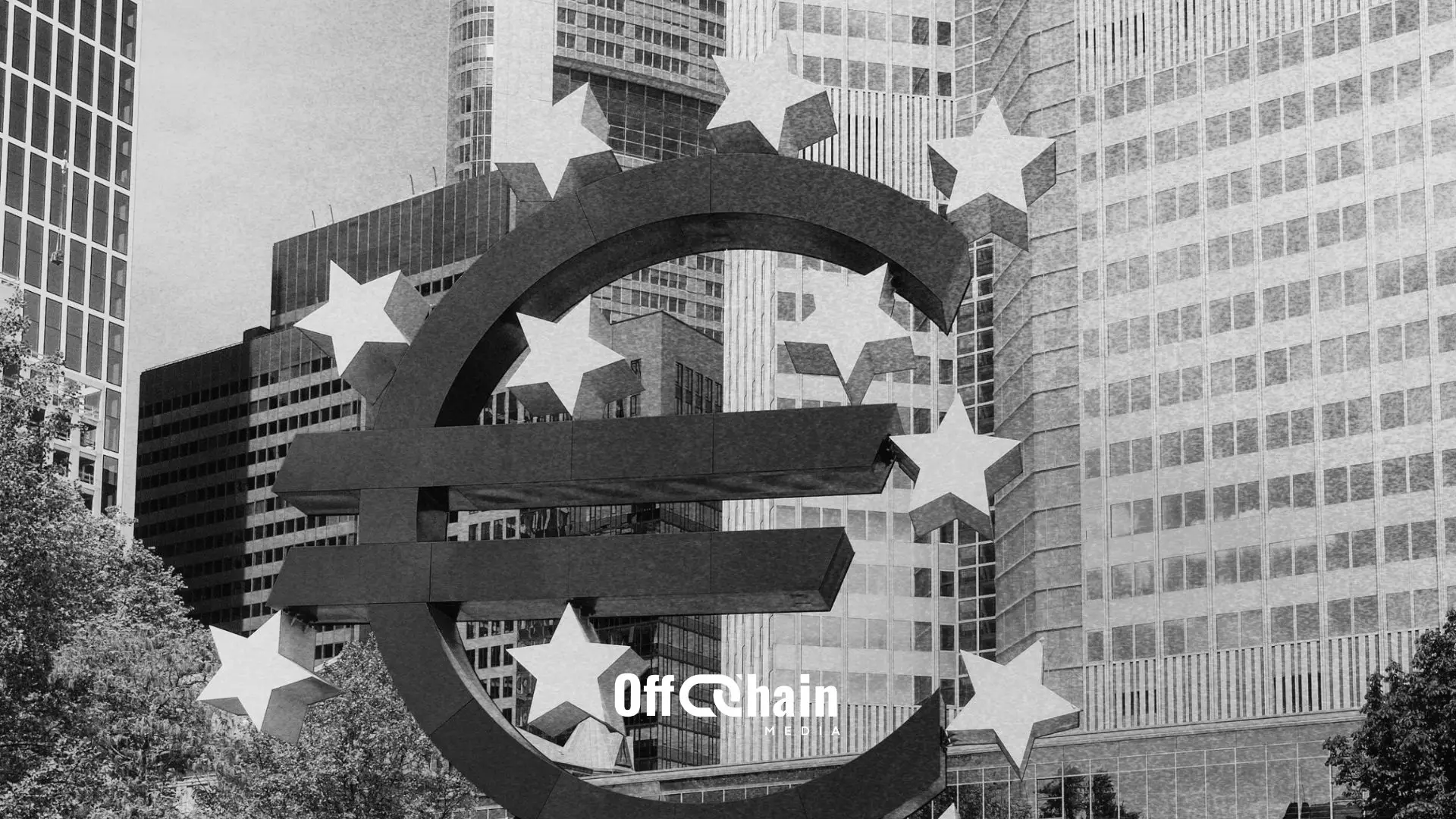
Historical examples, such as the adoption of gold as a universal standard or the switch to the euro in Europe, show that this dynamic is natural and temporary. Each monetary transition is accompanied by a period of adjustment where the new currency progressively imposes itself as both a store of value and a medium of exchange.
For Bitcoin, this transition seems to be happening gradually:
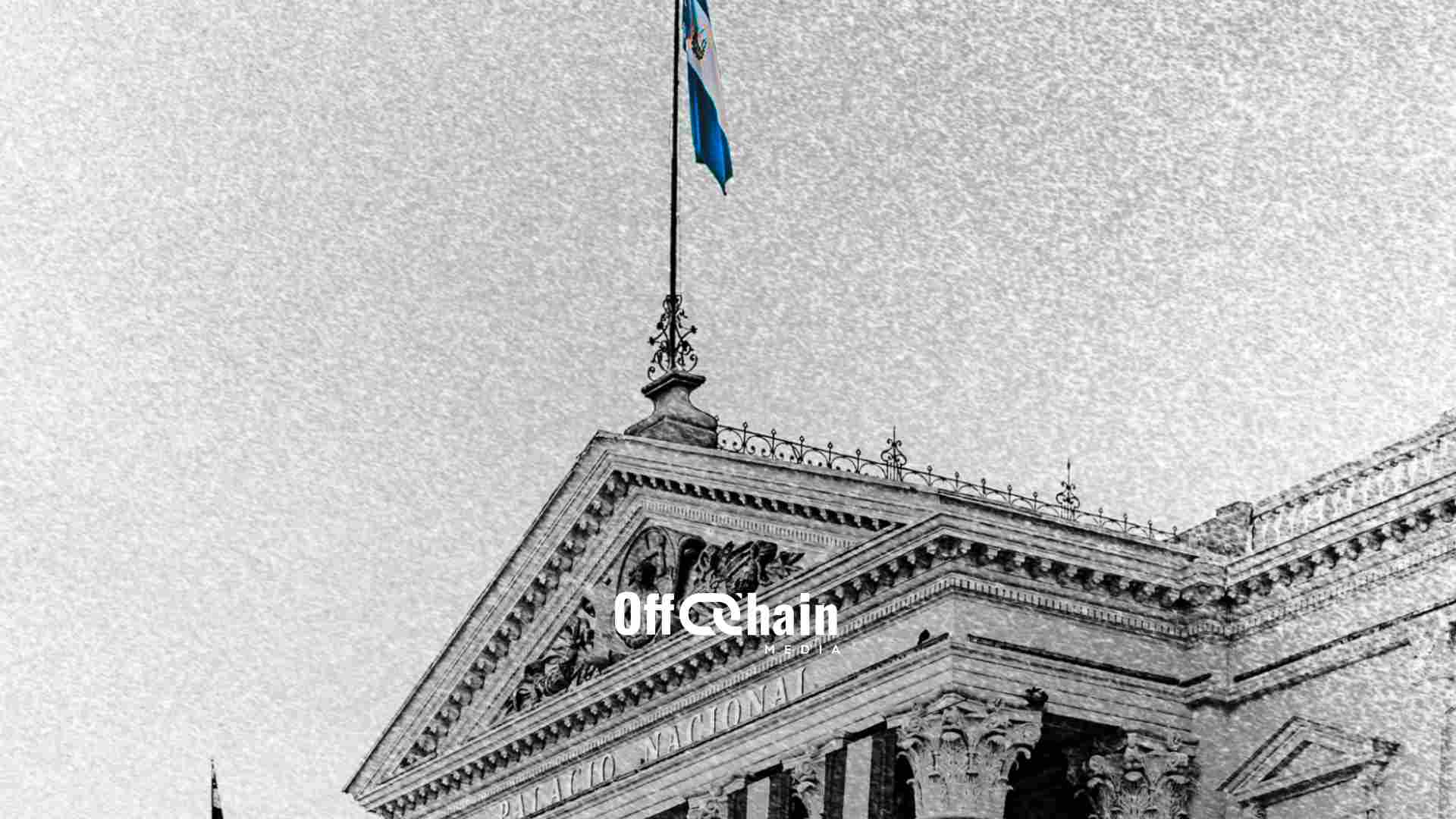
- At the macro level: Nation-states like El Salvador have adopted BTC as legal tender, and institutional investors (BlackRock, Fidelity, etc.) have integrated it into their portfolios;
- At the micro level: Circular economies are developing in certain cities around the world, where BTC is used daily for payments.
Low-trust economies: A natural niche for Bitcoin
The most convincing argument for Bitcoin as a currency is its adoption in countries facing economic or political crises.
In low-trust economies, where citizens have no confidence in local banking institutions or national currencies, Bitcoin appears as a viable and accessible alternative. Examples abound:
- Iran: Bitcoin is used to bypass economic sanctions and transfer value internationally, as explored in detail in our article on the Bitcoin revolution in Iran;
- Venezuela: In a context of hyperinflation, Bitcoin and stablecoins are adopted to preserve purchasing power;
- Sub-Saharan Africa: In regions where banking infrastructure is limited, Bitcoin enables financial inclusion for millions of unbanked people.
In these contexts, the absence of a banking intermediary, the resistance to censorship, and the scarcity of BTC make it a more reliable currency than local alternatives.
Challenges to overcome for mainstream adoption
Despite these advantages, Bitcoin still faces major obstacles for mainstream adoption as a currency:
1. Volatility: Price fluctuations make it difficult to use as a unit of account;
2. Technical complexity: Managing private keys and Lightning Network channels remains inaccessible to the general public;
3. Regulatory uncertainty: Restrictive regulations in some countries limit its use as a medium of exchange.
However, these obstacles are not insurmountable. Technological solutions, like Phoenix or the new generation of custodial wallets, simplify access. Regulatory frameworks are gradually adapting. And volatility is naturally decreasing as adoption increases, as evidenced by the reduction in BTC’s price fluctuations in recent years.
Conclusion
Bitcoin is already a currency for millions of people around the world, particularly in low-trust or crisis economies. Gresham’s Law, often cited as a fundamental obstacle, is only a temporary dynamic linked to the transitional phase of monetary adoption. Once price stability is achieved, the incentive to hoard rather than spend will diminish.
The real question is not “is Bitcoin a currency?” but rather “in what context and for whom?” For anyone living under a deflationary regime, censorship, or banking exclusion, Bitcoin is already an effective and superior currency to local alternatives.
For the rest of the world, its mainstream adoption as a daily currency remains a long-term horizon, but one that is technically achievable and economically logical.